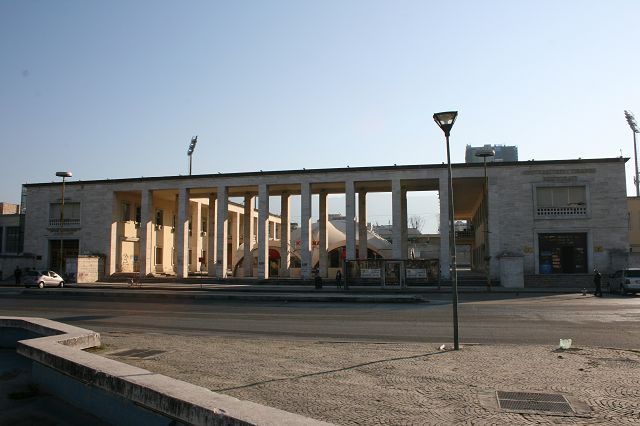
Archaeological Museum
Housed inside the Institute of Archaeology
is the National Archaeological Museum which has two rooms exhibiting 1,800
artefacts from the Neolithic through to the Bronze Age and on up to the Middle
Ages. In Room 1 there are tools such as bone needles and flint, carved
ornamental figures and ceramic utensils discovered around the country on
various sites of significance such as Mount Dajt's quarry, Pellumbas Cave and
further afield in Kamnikand, Maliq, Cakran and Dunavec.
Room 2 presents
artefacts from later eras including the Bronze and Iron Ages including ceramics
and a range of weaponry including swords, daggers and spear heads. Even today,
this national collection is being constantly enriched with findings from
expeditions which are part of the responsibility of the museum. Complementing
this fascinating and valuable horde are 7,200 volumes of significant scientific
research housed in its library.
This research is carried out by the
esteemed and most distinguished scientists of the country who are members of
the Academy of Sciences. The Centre for Archaeology was originally established
in 1948 as part of Hoxha’s policy to affirm nation and culture. In 1990 the
Institute of Archaeology was formed as part of the rebranding of the democratic
movement and to distance itself from the violated and politicized objectives of
previous times. Today this independent institution sets standards in excellence
in scientific research and as such carries out work in collaboration with
scientists across the world and is a member of several international scientific
bodies.
Gallery