Castle of Petrela and Legend of Homeric Wedding
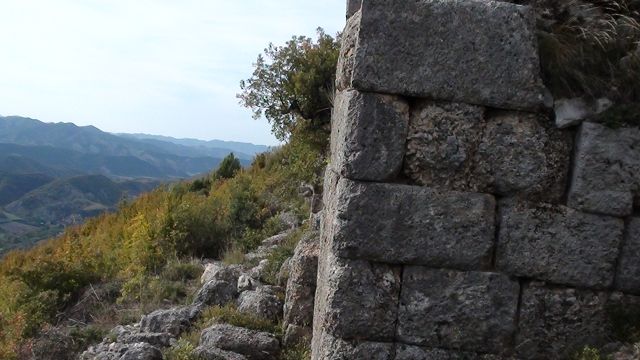
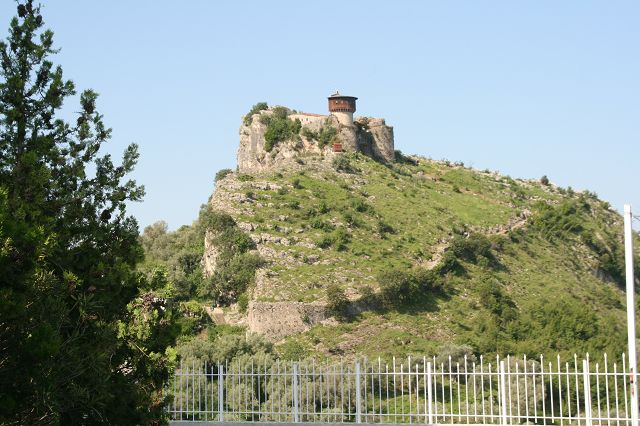
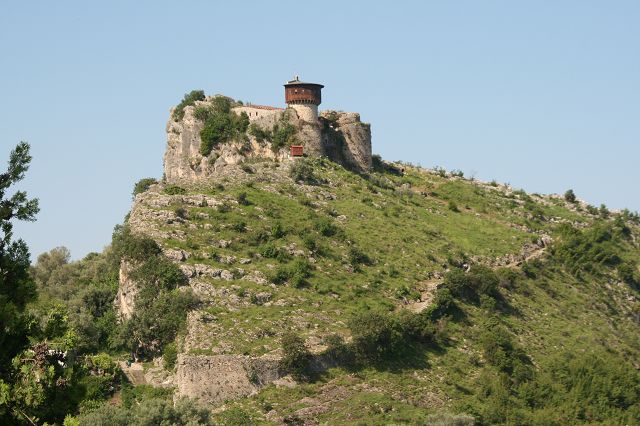
Petrela Castle is located 15 km south of Tirana. It was built in 6th
century AD.Its history dates back to Justinian I.
In ancient times Petrela was known as Petralba, which translated from Greek
means the “the stone of Alba”, therefore “the stone of Albanians”. The reason
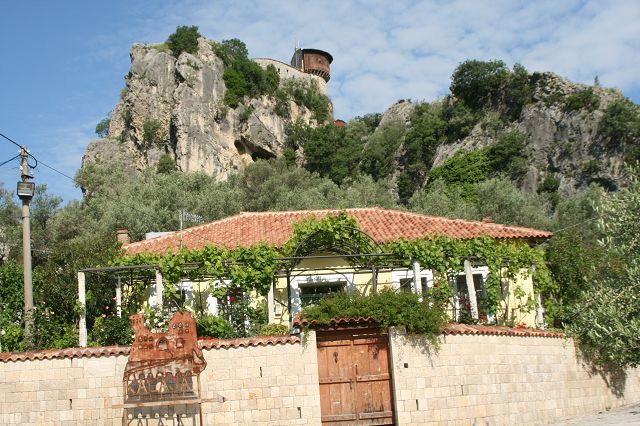
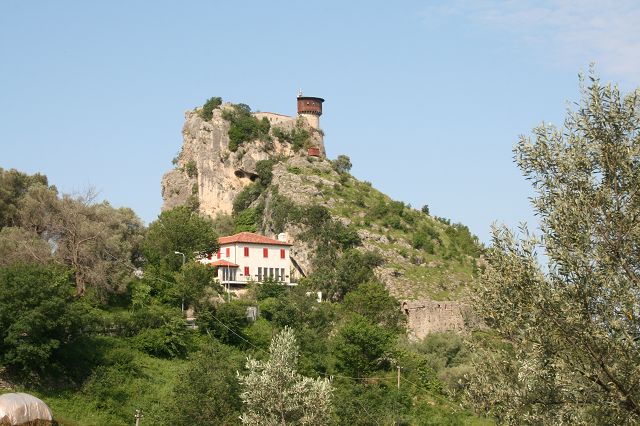
why it is called so, is because the town its castle are built on a huge stone
on top of a small mountain. It has a triangular shape with two observation
towers. The Petrela Castle was part of the signaling and defense system of the
Kruja Castle. The castles signaled to each other by means of fires. During
Skanderbeg’s fight against the Ottomans, the Petrela Castle used to be under
the command of MamicaKastrioti, Skanderbeg's sister. Today there is a
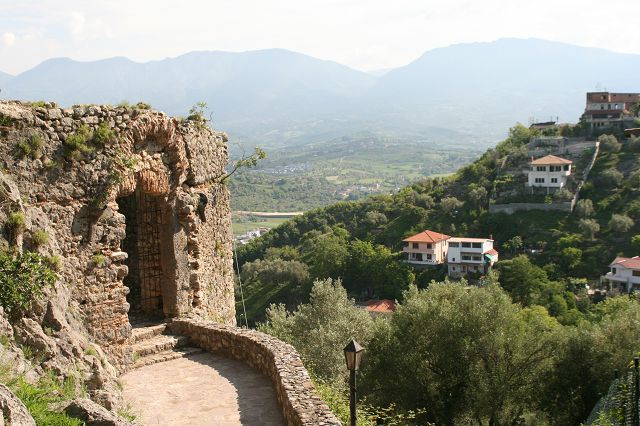
restaurant inside the castle. The castle offers spectacular views of the Erzen
valley, the hills, olive groves, and surrounding mountains.
Legend of Mamica’s Homeric Wedding in
Petrela
Not only is MamicaKastrioti’s name related to one of
the most distinguished female warriors of the Albanian history and to the
beloved sister of Scanderbeg, the Albanian national hero, but her name also
represents the bloody history of her marriage.
As almost everywhere in the 15th century
Europe, it was quite a tradition among the medieval Albanian noble families to
strengthen family connections through marriage, and Scanderbeg’s family made no
exception. His four elder sisters (Mara, Jella, Angjelina and Vlaika) were
already married to highly respectable noble families, and now it was the turn
of his little sister, Mamica, to get married to a noble lord.
Scanderbeg decided that she should marry the Lord of
Petrela, MuzakTopia (Karl Topia), who was in fact already married to
SerafinaArianiti and had two children together. Mamica’s marriage to
TanushMuzaka was a purely political connection which, despite the great
compromise that it involved, later on proved to be a wise decision. It is told
that in fastening this bond between the two noble families of Kastrioti and
Muzaka, Scanderbeg refused to acknowledge the sanctity of the previous marriage
of the couple and of the children that they had together.
As the wedding day approached, and the wedding
celebration and ritual was in full swing, something unusual happened. Among the
many guests to the wedding were invited two of the most important figures of
that period, the Lord of UlpjanaLekëDukagjini and the Lord of DanjaLekëZaharia;
and among the many noble women invited to the celebration was Irena (Jerina –
daughter of GjergjDushmani, Lord of Zadrima). As the Italian monk
GanmariaBiemmi accounts in his records, this girl was of an exceptional beauty
and served as the apple of discord to this story. Both LekëZaharia and
LekëDukagjini fell madly in love with her and on the attempt to impress her,
they totally forgot the reason why they were attending the wedding and started
welding their swords against each other. Beautiful Irena made her choice clear
by stating that she had already set her heart on LekëZaharia, but LekëDukagjini
refused to accept her choice. He challenged his rival in a duel which he lost
and ended up deeply humiliated. LekëDukagjini was a hot blooded person and the
situation grew much worse as their duel turned into a violent and bloody battle
between the escorts of these two noble men.
This must have been an extremely shocking event at the
time, as it was accounted by many writers who report that at the end of the
battle 105 people were killed and 150 were wounded. The story goes that while
the battle was going on, Scanderbeg was not present as he was having a walk
with the newlywed couple. When they returned to the wedding, instead of finding
people dancing and rejoicing to their union, they found a terrible massacre.
Many thought that this was a bad omen, that this union
was not a blessed one and that Serafina’s (Muzaka’s first wife) curse would
follow them forever. Their leader, Scanderbeg was harsh on both lords, but he
also recognized the rightfulness of LekëZaharia in this matter, so he blessed
his engagement to Irena.
LekëDukagjini felt utterly offended by Scanderbeg who
sided with his rival, he left the wedding and for many years their relations
were cold and tense to the point of starting a war, which most likely would
have happened if it weren’t for the Ottoman armies that knocked on Kruja’s
door.
A couple of years later, LekëZaharia died in
some unknown circumstances. Many believe that he was ambushed and killed by LekëDukagjini, who had not forgotten the bitter
event of his humiliation.
Gallery